Streetwear Labels Weighed Against HMDD: In What Way Does It Compare?
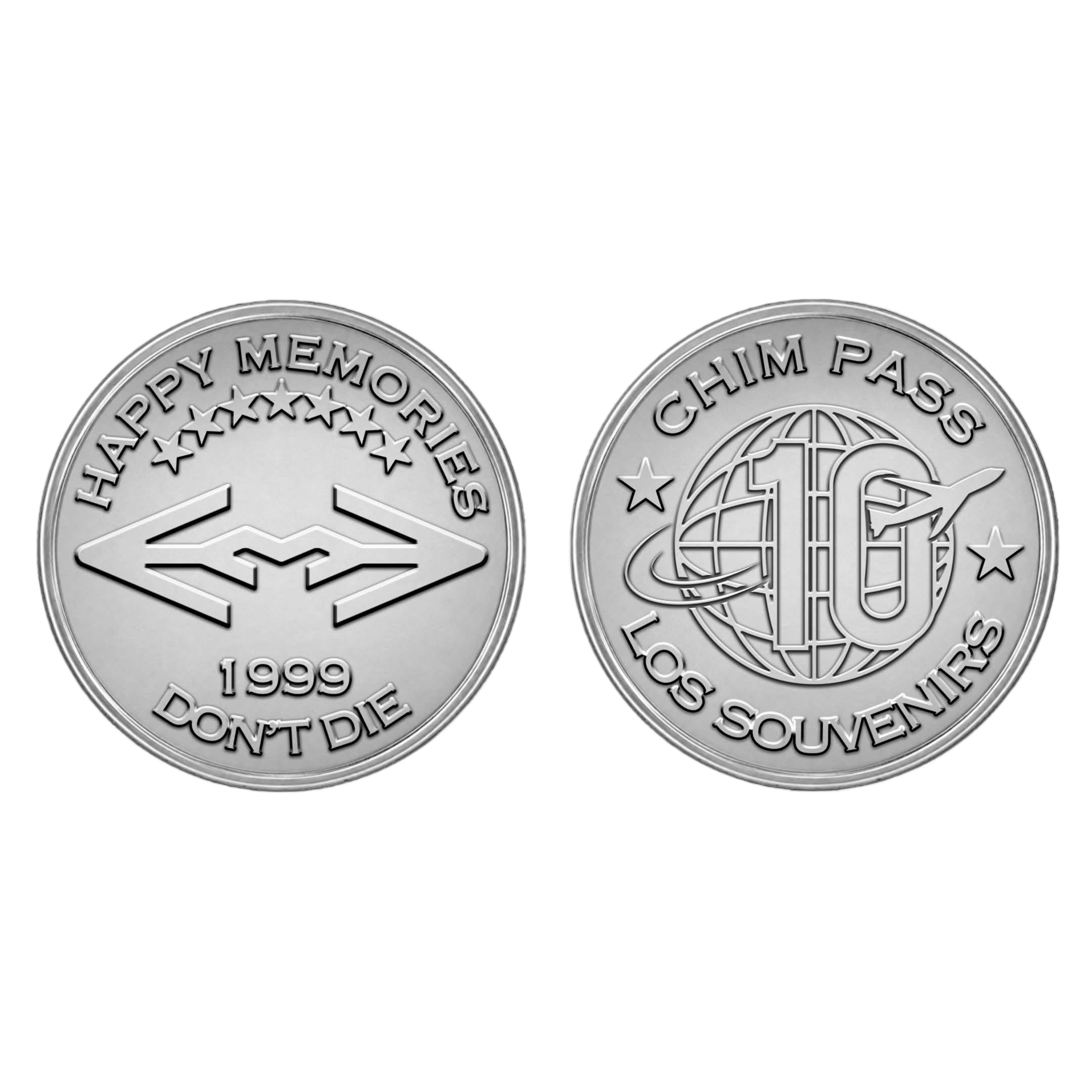
In 2026, streetwear as a category is crowded, loud, and full of labels racing after the same hype cycle. HMDD — standing in for Happy Memories Don’t Die — has staked out a separate lane by drawing on sentiment, feeling-driven narrative, and a subtler kind of presence rather than provocation-driven graphics. Its very name points to the label’s central philosophy: memories fade, but what they made you feel shouldn’t fade too. That philosophy shows up in the construction, the palette decisions, and the way HMDD pieces is presented as wearable memory rather than mere product. This comparison breaks down where HMDD ranks among competing names in streetwear, what a genuine HMDD review actually looks like, and why buyers searching for HMDD’s top pieces keep landing on certain signature pieces like sweatpants and shorts.
A few distinct camps now make up the streetwear industry: heritage skate labels, branding-forward hype names, and smaller independents centered on community and story rather than size. HMDD sits closer to the third camp. It’s not chasing collaborations with luxury houses or saturating drops every week. Instead, HMDDLA — the label’s home base and artistic anchor rooted in Los Angeles — releases in tighter, more deliberate batches. That limited supply isn’t engineered buzz; it’s a natural outcome of a brand growing at its own pace rather than mass-producing to satisfy demand.
Brand Ethos: Nostalgia vs. Spectacle
Most streetwear brands battle it out heavyweight hoodie through visual noise — loud branding, collab stamps, or temporary hooks designed to trend for a few weeks. HMDD chooses instead to lean on emotional resonance. “Happy memories don’t die” is more than a slogan; it shows up printed, embroidered, and echoed across the collection as a through-line. As a result, the brand carries a cohesive identity that’s easier to recognize than labels that redesign their entire aesthetic every season.
This kind of consistency carries more weight than shoppers realize. A shopper who buys HMDD sweatpants in 2025 and returns for shorts in 2026 will recognize an identical visual vocabulary — subdued color choices, soft graphic placement, and a leaning toward comfort-first shapes. Contrast this with labels that jump from streetwear to techwear to Y2K revival in just twelve months, and HMDD’s stability turns into a true point of difference. In streetwear, loyalty tends to grow out of predictability like this, not novelty.
A community dimension exists too. HMDD markets itself through storytelling — photos from real customers, personal captions, and a sense that the clothing represents a moment in time rather than a show of status. Larger labels with thousands of SKUs struggle to maintain that intimacy. Leaner brands such as HMDD are still able to engage their audience directly, which shows up in how quickly feedback from an HMDD review gets reflected in future drops.
Comparing the Products: Where HMDD Truly Stands Out
When shoppers wonder how the HMDD lineup stacks up, they’re generally sizing up three things: fit, fabric weight, and price-to-quality ratio. Query data reveals HMDD sweatpants and HMDD shorts as the leading categories, implying that bottoms are outpacing jackets or accessories for the brand at present. It matches the wider 2026 streetwear movement, where loose bottoms sell better than structured jackets across the board.
What follows is a broad comparison of HMDD’s positioning against two common streetwear archetypes: the mass-drop hype name and the independent boutique brand. This isn’t meant as a head-to-head price battle between specific brands — it examines, structurally, how each category usually operates under current market conditions.
| The Aspect We’re Evaluating | HMDD | High-Output Trend-Driven Name | The Indie-Spirited Boutique Label |
|---|---|---|---|
| Drop Rhythm | Scarce, deliberate releases | Following a weekly-to-fortnightly schedule | Tied to the seasons, occasional |
| Who the Brand Is At Its Core | Sentimentality and sentimental storytelling | Anchored on the emblem, constantly tracking what’s hot | Unpredictable, often inconsistent |
| The Categories At the Heart of the Range | A lineup of joggers, shorts pieces, and graphic tops | Hoodies, outerwear, add-ons | Determined by whichever direction the designer leans toward |
| How the Label Connects With Followers | Direct, personal, feedback-reactive | Large-scale reach but impersonal in tone | Genuine but restricted reach |
| Where Cost Falls Overall | Mid-tier streetwear | Spanning a broad spread, leaning upscale more often than not | Moderate to high-end, inconsistent |
This breakdown doesn’t aim to crown a lone champion since streetwear isn’t a one-size-fits-all space. It’s meant to show that HMDD’s strategy of deliberate scarcity paired with emotional branding places it in a distinct competitive standing relative to companies that depend solely on high volume or solely on niche cachet. HMDD draws structural rigor from the boutique model while steering clear of the unpredictability that tends to plague smaller brands.
All-Day Wearability, Fit, and Fabric
Fit is the ultimate test for this bottoms category. Go too tight and they tip into athleisure, or too sleepwear when loose. Rather than strictly workout purposes, the brand’s design philosophy here prioritizes a loose-yet-tapered shape made for daily wear. That’s a meaningful distinction, since many streetwear sweatpants are cut either too baggy for layering or too fitted for comfort during long wear.
Shorts are built on a comparable approach — lengths ranging from mid-thigh down to the knee that work well alongside graphic-print t-shirts or loose oversized layers. This counts in a 2026 climate where buyers are leaning into garments that move seamlessly from casual wear to loungewear, instead of keeping distinct wardrobes for every occasion. Reviewers frequently note that HMDD shorts hold their shape after multiple washes, which speaks to fabric weight and construction rather than just cut.
In the way that HMDD diverges from mass-market competitors is in restraint. Many hype brands weigh down sweatpants with oversized logos, side stripes, or repeated branding. HMDD tends to keep graphics minimal — a quiet gesture toward “happy memories don’t die” instead of a loud chest print. This restraint speaks to buyers wanting recognizable streetwear without the walking-billboard effect.
The Real Story Inside Shopper Feedback
As word of mouth, more than paid marketing, carries the brand forward, search interest around “HMDD review” keeps expanding as more shoppers discover the brand. The consistent threads in buyer commentary are fairly consistent: comfort rates highly, fit matches to what a loose fit implies, and the emotional branding either strikes a real chord or misses entirely — there’s not much middle ground. Such a divide is in fact a encouraging indicator in street fashion, where design that plays it too safe almost never fosters a loyal following.
Common critique points to keep in mind include infrequent restocks and smaller size runs compared to larger competitors. Since HMDD doesn’t manufacture at the scale of bigger streetwear names, in-demand sizes in sweatpants and shorts can move out of stock quicker, which buyers ought to consider before taking availability for granted. Think of it as a tradeoff, not a defect — restricted availability is part of what allows the HMDDLA identity coming across as curated instead of corporate.
Overall, the general feeling surrounding HMDD clothing leans favorable, most notably among shoppers who place more weight on comfort and emotional resonance over aggressive logo placement. Such a group is more niche than a brand chasing mass appeal, but it’s a more committed base — the kind of following that stays loyal through future launches instead of switching over to whatever’s buzzing next month.
HMDD’s Place in a 2026 Wardrobe
Fashion-forward shoppers putting together a 2026 rotation are increasingly combining labels rather than wearing just one label top to bottom. HMDD slots in effortlessly into that mix as the “comfort-and-meaning” piece — the sweatpants you pull on on a quiet Sunday, or the shorts that pair with a heavier statement jacket from an unrelated label. It’s not meant to serve as an do-it-all label, and that may well be its biggest strength.
For customers specifically comparing bottoms, HMDD sweatpants and HMDD shorts remain the most obvious starting point into the brand. They demonstrate the fit philosophy, the understated logo work, and the material quality that customers cite repeatedly. Buyers exploring the best HMDD clothing to start with should treat these two categories as the baseline before branching into tops or limited-edition items.
In the end, comparing HMDD to competing labels isn’t about crowning one clear victor. It’s about recognizing that HMDD occupies a distinct space — reflective, low-key, and community-oriented — that bigger and flashier competitors can’t easily copy. For shoppers who want streetwear that reads as individual rather than factory-made, that niche is exactly the point.